Proteasomal degradation pathways
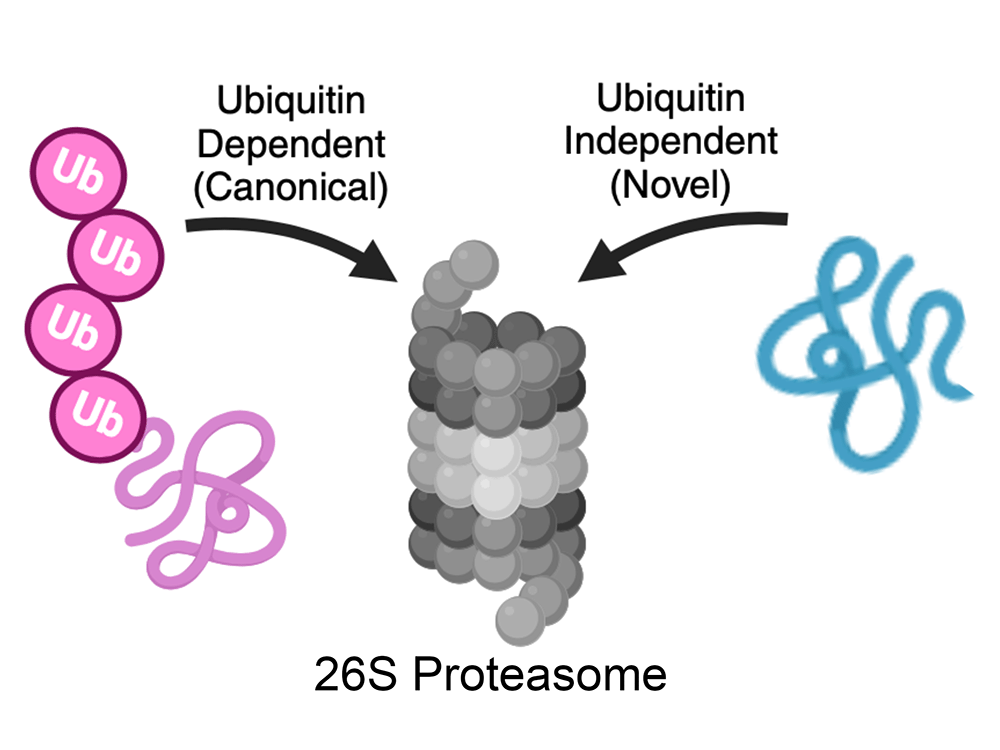
We study how the 26S proteasome selects and degrades protein substrates. We recently identified a pathway in which the proteasome selectively recognizes and degrades non-ubiquitylated proteins, revealing the proteasome to have an active role in substrate selection. The Mena Lab investigates these alternative targeting strategies and how proteasome activity is regulated within cells.
2. Systems-wide understanding of protein degradation
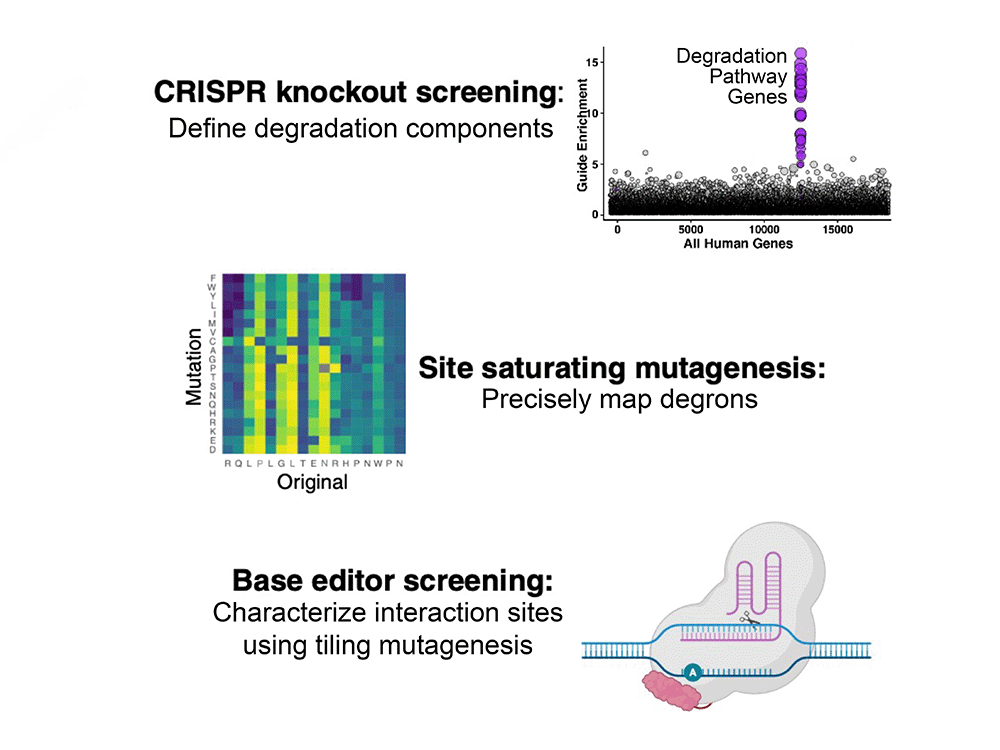
Regulated protein degradation shapes nearly every cellular signaling pathway and is frequently misregulated in disease. We develop genetic, biochemical, and computational technologies to define protein degradation pathways at a systems-wide scale. Using these high-throughput techniques, we map degrons, interaction sites, and E3 ligase-substrate relationships.
3. Targeted protein degradation
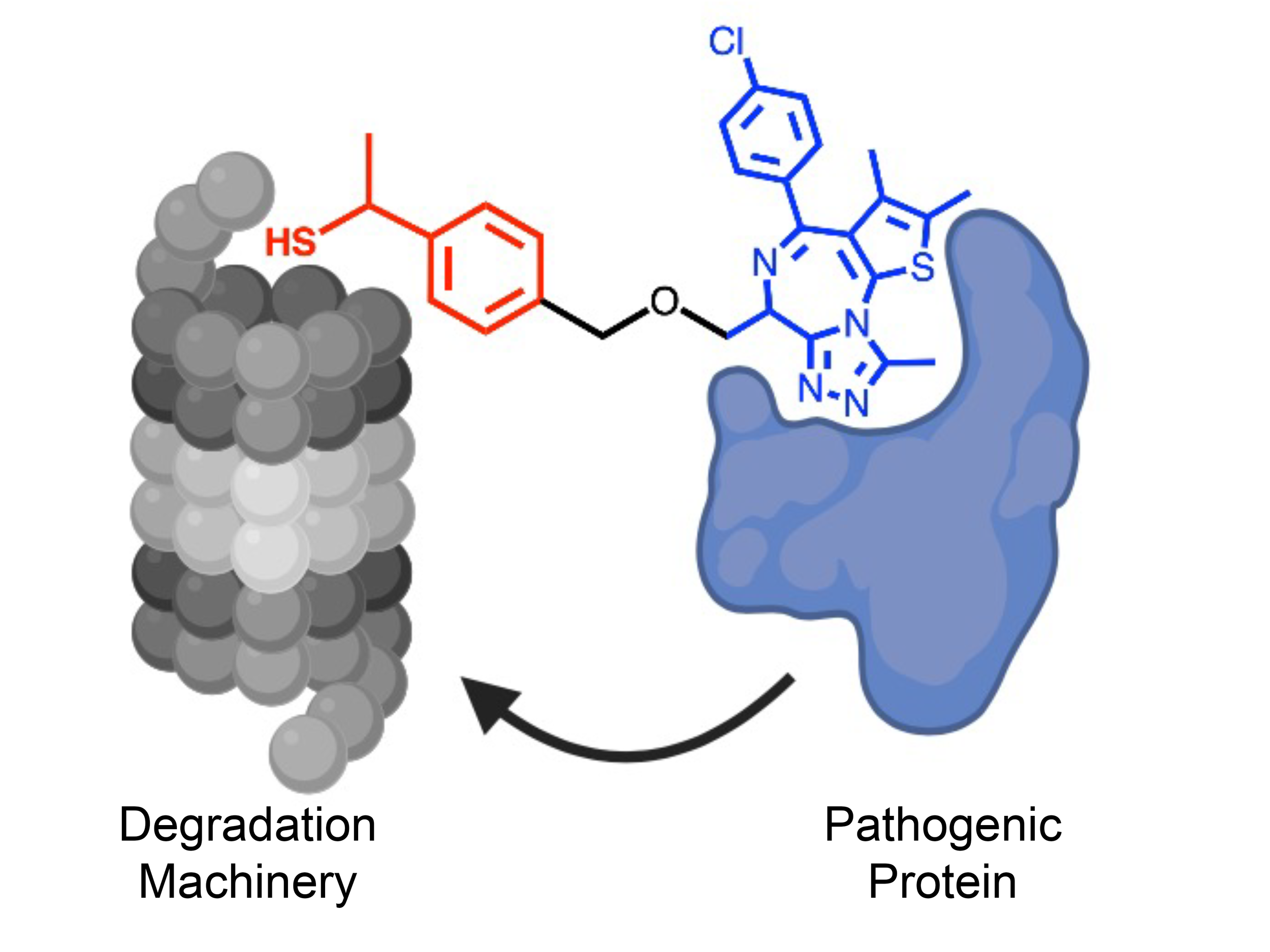
We develop therapeutic molecules that selectively induce degradation of disease-relevant proteins. We target proteins that have been deemed “undruggable” because they lack classic enzymatic activity. Using screening and design strategies to create molecular glues, we recruit the cell’s degradation machinery to eliminate pathogenic proteins in cancer and other diseases.